


.webp)


%20(1).png)
Bob and Brad
●
PT
Tool #8: Should I Wear a Back Corset?
Bob and Brad discuss whether you should wear a back corset or not.
Should You Wear a Back Corset? Here's
What the Research Actually Says
Back braces get a lot of hype—and a lot of conflicting advice. So we did the research, and here's the honest truth: it depends on what's actually wrong with your back.
When Back Braces Actually Help
Studies show lumbar corsets can be genuinely helpful if you have spinal stenosis or spondylolisthesis. But if you're dealing with sciatica or just regular mechanical back pain? They're less of a game-changer. The key is understanding whether you're an extender or a shaker—if you follow our program and fall into those categories, a back brace might be worth trying for 5-10 days to help calm things down.
Three Times a Back Brace Makes Sense
Walking: If spinal stenosis or spondylolisthesis makes walking painful (especially when upright), try a walker and a lumbar corset together. The real win? If a brace lets you walk 30 minutes instead of 15, that's a huge health boost. Temporary support beats no movement at all.
Sleeping: Waking up every time you roll over? A back brace at night might genuinely help you sleep better. Don't worry about your muscles getting weak—you're not doing strength work while horizontal. If it means better sleep, wear it.
Lifting and Carrying: Heavy object coming up? Cinch that brace down. It'll remind you to use proper body mechanics (which is the real MVP here) while taking some stress off your spine.
The Big Caveat
Here's what everyone worries about: "Won't I get weak if I wear it all the time?" Fair question. Our answer: don't wear it all the time. Wear it only when you need it—during activities that spike your pain. It's a tool, not a crutch.
The Real Secret Weapon
The brace is the supporting actor. The real star? Core strength. Combine temporary brace use with core strengthening exercises, and you're not just managing pain—you're building lasting resilience. That's the goal: use the brace temporarily, get stronger, and eventually ditch it.
The bottom line: Back braces have a real place in recovery. Just use them strategically, pair them with strength work, and remember that good body mechanics is the corset your body actually needs.
Check out our full Back Pain Program for more tips.
%20(1).png)
%20(1).png)
%20(1).png)
Strong Like Blog

This Might Be the Cure for Migraine & Eye Fatigue
Discover how the Bob and Brad OcuSpa 3 Eye Massager combines soothing heat, cooling, and gentle massage to help ease eye strain, relieve tension, and promote relaxation for better sleep.
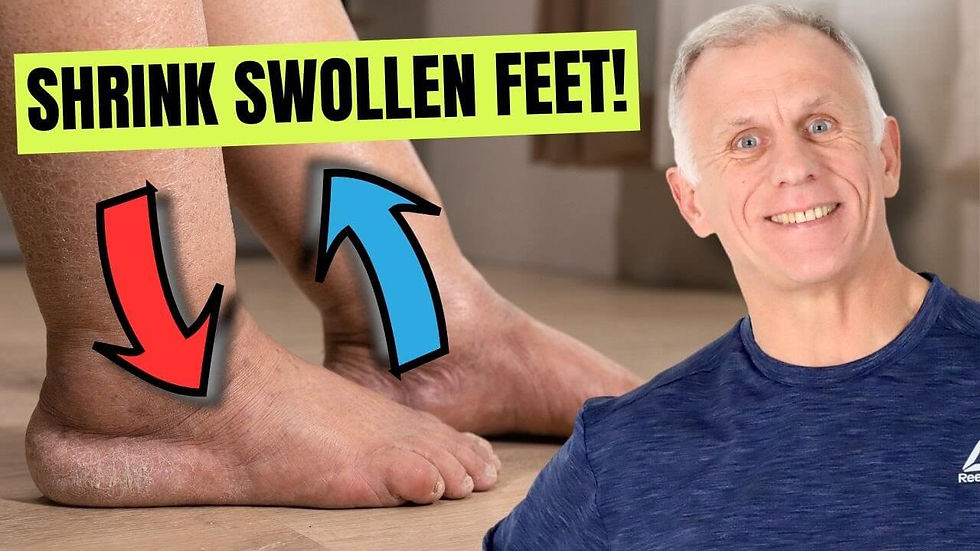
Best Remedies for Swollen Feet
The Bob and Brad team shares three simple ways to help reduce swollen feet and improve circulation at home, including leg elevation with ankle pumps, foot massage, and compression socks.


