Join our SMS & Email List - VIP Deals Start Here - Join our SMS & Email List - VIP Deals Start Here - Join our SMS & Email List - VIP Deals Start Here - Join our SMS & Email List - VIP Deals Start Here - Join our SMS & Email List - VIP Deals Start Here - Join our SMS & Email List - VIP Deals Start Here - Join our SMS & Email List - VIP Deals Start Here - Join our SMS & Email List - VIP Deals Start Here - Join our SMS & Email List - VIP Deals Start Here - Join our SMS & Email List - VIP Deals Start Here - Join our SMS & Email List - VIP Deals Start Here - Join our SMS & Email List - VIP Deals Start Here - Join our SMS & Email List - VIP Deals Start Here - Join our SMS & Email List - VIP Deals Start Here - Join our SMS & Email List - VIP Deals Start Here - Join our SMS & Email List - VIP Deals Start Here - Join our SMS & Email List - VIP Deals Start Here - Join our SMS & Email List - VIP Deals Start Here - Join our SMS & Email List - VIP Deals Start Here - Join our SMS & Email List - VIP Deals Start Here - Join our SMS & Email List - VIP Deals Start Here - Join our SMS & Email List - VIP Deals Start Here - Join our SMS & Email List - VIP Deals Start Here - Join our SMS & Email List - VIP Deals Start Here - Join our SMS & Email List - VIP Deals Start Here - Join our SMS & Email List - VIP Deals Start Here - Join our SMS & Email List - VIP Deals Start Here - Join our SMS & Email List - VIP Deals Start Here - Join our SMS & Email List - VIP Deals Start Here - Join our SMS & Email List - VIP Deals Start Here - Join our SMS & Email List - VIP Deals Start Here - Join our SMS & Email List - VIP Deals Start Here - Join our SMS & Email List - VIP Deals Start Here - Join our SMS & Email List - VIP Deals Start Here - Join our SMS & Email List - VIP Deals Start Here - Join our SMS & Email List - VIP Deals Start Here - Join our SMS & Email List - VIP Deals Start Here - Join our SMS & Email List - VIP Deals Start Here - Join our SMS & Email List - VIP Deals Start Here - Join our SMS & Email List - VIP Deals Start Here - Join our SMS & Email List - VIP Deals Start Here - Join our SMS & Email List - VIP Deals Start Here - Join our SMS & Email List - VIP Deals Start Here - Join our SMS & Email List - VIP Deals Start Here - Join our SMS & Email List - VIP Deals Start Here - Join our SMS & Email List - VIP Deals Start Here - Join our SMS & Email List - VIP Deals Start Here - Join our SMS & Email List - VIP Deals Start Here - Join our SMS & Email List - VIP Deals Start Here - Join our SMS & Email List - VIP Deals Start Here
%20(1).png)
Bob and Brad
●
PT
How to Put on Pants, Socks & Shoes With Back Pain
Bob and Brad demonstrate how to put pants, socks, and shoes on with back pain.
How to Put On Your Pants, Shoes, and Socks with Back Pain
Getting dressed shouldn't mean risking your back. If you're struggling with low back pain, simple daily tasks like putting on your socks, shoes, or pants can become a frustrating ordeal. The good news? With the right techniques and a few adaptive tools, you can maintain your independence and protect your spine during these essential morning routines.
At Bob & Brad, we've helped thousands of people navigate everyday activities with back pain. Here's exactly what you need to know—and the tools that make all the difference.
The Golden Rule: Protect Your Spine Position
Before we dive into specific techniques, remember this: keep your back straight. The biggest mistake people make is rounding forward into what we call the "C-position" to reach their feet. This dramatically increases stress on your lower back and can trigger pain or even set you back in your recovery.
If you feel pain while attempting any of these techniques, stop immediately. You're either doing it wrong, or you need a different approach. These methods should be pain-free.
How to Put On Your Socks with Back Pain
Option 1: Use Your Hip Mobility (Best If You Have It)
If you have good hip flexibility and mobility, you can put on your socks while keeping your back perfectly straight. Here's how:
Maintain upright posture throughout the entire movement
Bring your foot up to you by flexing at the hip and rotating externally, rather than bending your back forward
Take your time—this isn't a race, and rushing increases your risk of compensating with your back
Wear proper back support if your doctor recommends it
The key difference: instead of your spine doing the work, your hip joint does. This is why we emphasize so many hip mobility exercises in our video series—improved hip range of motion makes daily life significantly easier and safer.
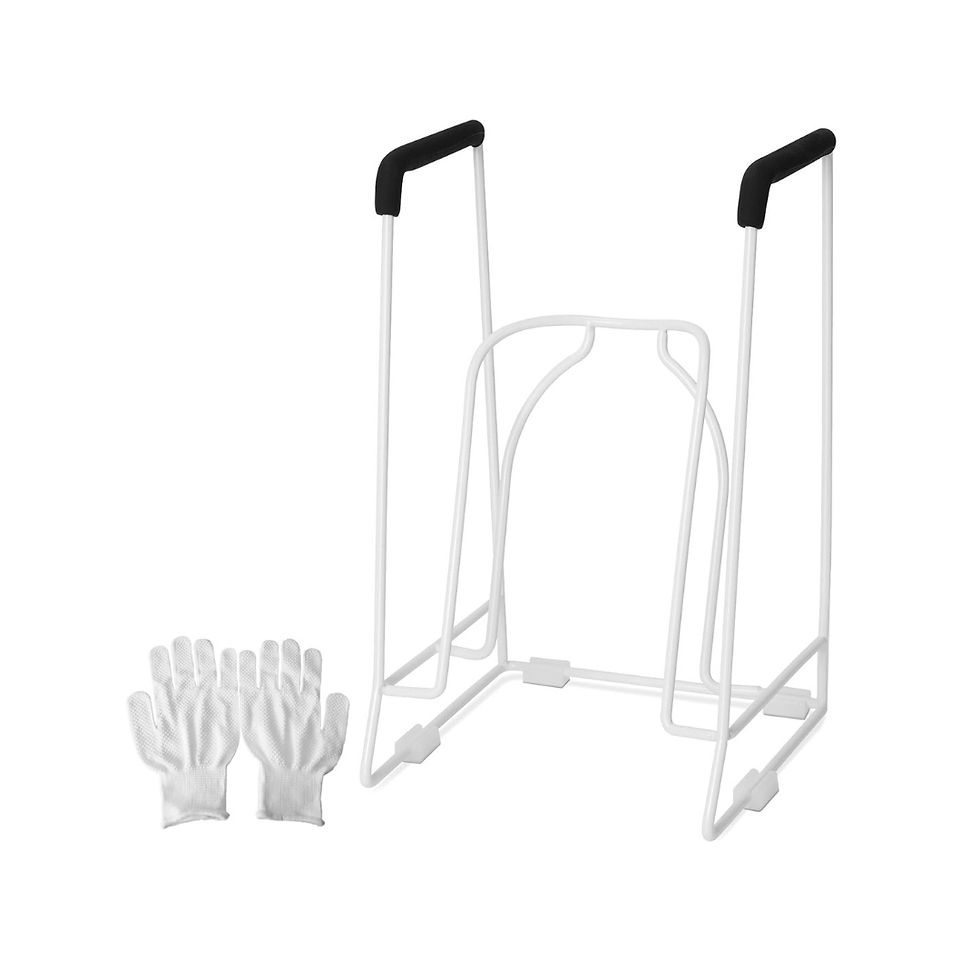
Option 2: Use a Sock Aid (The Game-Changer)
Not everyone has the hip mobility for the first method, and that's completely normal—especially after surgery or if you have chronic back pain. This is where a sock aid becomes invaluable.
Sock aids are:
Inexpensive and readily available
Commonly used after hip or back surgery
Simple to learn and highly effective
How to use a sock aid:
Place your sock over the sock aid device
Sit in a stable position (chair or bed)
Place your foot into the sock aid
Pull the handles toward you with smooth, controlled movements
The sock slides right onto your foot without bending your back
Pro tip: These take practice. The first few times feel awkward, but as you get more comfortable with the motion, you'll move much faster. Don't get discouraged.
How to Put On Your Shoes with Back Pain
Option 1: Flexible Hip? Go Straight For It
If you have good hip range of motion, the basic technique is:
Sit or stand in a stable position
Cross one leg, placing your ankle on the opposite thigh (if sitting)
Slip your foot into the shoe while maintaining a straight back
Repeat on the other side
Always remember to monitor your posture. You'll be tempted to round forward—resist that urge.
Option 2: Use Elastic Shoelaces
This is one of our favorite low-tech solutions. Elastic shoelaces allow you to:
Leave your shoes tied at all times
Simply slip them on and off without bending
Eliminate the need to tie laces
Elastic shoelaces have become increasingly popular with runners, walkers, and anyone who values convenience. They work great and cost just a few dollars.
Option 3: Get a Long-Handled Shoehorn
A long shoehorn is critical if you can't bend forward to put on shoes. Here's the process:
Prepare your shoe with laces completely untied or loosened
Sit and position the shoe in front of you
Place your foot into the shoe opening
Insert the long shoehorn into the heel area
Use the handle to guide your foot into the shoe
Look for long-handled shoehorns specifically—the short ones won't give you the leverage you need. They're inexpensive, durable, and widely available online or at medical supply stores.
Option 4: Switch to Slip-On Shoes
Consider making your daily shoe choice easier by switching to:
Shoes with collapsible heels (like Vionics or similar brands)
Slip-on styles designed specifically for easy on-and-off access
ZEBAs or other brands marketed for convenience and accessibility
This isn't just for people with injuries—many of our viewers make this choice simply because it's one less thing to worry about in the morning.
How to Put On Your Pants with Back Pain
Option 1: The One-Leg-at-a-Time Method (If You Have Hip Mobility)
If you have good hip range of motion, this is straightforward:
Lay out your pants on a bed or chair
Flex one leg toward your chest (keeping your back straight)
Slip one pant leg over your foot
Repeat with the other leg
Pull pants up while maintaining upright posture
This works whether you're sitting or lying in bed. The key is avoiding the temptation to bend forward at your waist.
Option 2: Use the Cross-Leg Technique (Seated)
If sitting in a chair:
Sit upright with good posture
Place your right ankle on your left opposite thigh (crossing your legs)
Slip your right leg into the pant leg
Lower your right leg and repeat with the left side
Again, keep your back straight throughout. Don't round forward.
Option 3: Use a Reacher or Grabber
A reacher (or grabber tool) lets you prepare your pants without bending:
Lay your pants out with both legs spread straight
Use the reacher to gather and straighten each pant leg
Guide each leg into position
Once your legs are in the pant legs, stand and pull them up
This approach is especially common for people recovering from hip or knee surgery, but it's equally effective for chronic low back pain.
Why These Techniques Matter
The difference between these methods might seem small, but it's huge for your back. Even one incorrect bend forward can:
Trigger acute pain
Aggravate existing inflammation
Set back your recovery progress
Create fear around daily activities
The tools and techniques we've outlined aren't luxuries—they're practical solutions that preserve your independence and protect your spine. Using them now, even if you think you might not need them long-term, can be the difference between a quick recovery and a prolonged struggle.
Tools You Might Need
Sock aid
Long-handled shoehorn
Reacher/grabber tool
Elastic shoelaces
Long-handled back support (optional)
None of these are expensive, and all are readily available online or at medical supply stores. Many insurance plans may even cover them if prescribed by your physical therapist.
The Bottom Line
Back pain doesn't mean you have to stop taking care of yourself. By using these techniques and tools, you can get dressed safely, maintain your dignity, and avoid the kind of setback that comes from one careless bend.
If you're uncertain about which method is right for you, consult with your physical therapist or doctor. They can assess your specific mobility and pain patterns and recommend the approach that works best for your situation.
Remember: slow, controlled movements with a straight back beat speed and convenience every single time. Your back will thank you.
Strong Like Blog

Bob and Brad STRETCH & MORE Program - Introduction
Improve your flexibility and mobility with this fitness program featuring simple stretches, soft-tissue mobilization, and recovery tools designed to optimize movement, increase range of motion, and potentially reduce everyday aches and pains.

Top 7 Exercises for Leg Edema or Swelling (Program or Protocol for Edema)
Learn a simple physical therapist–guided exercise program to help improve leg circulation, reduce lower leg, ankle, and foot swelling (edema), support lymphatic drainage, and manage lymphedema naturally.

.png)