


.webp)


%20(1).png)
Bob and Brad
●
PT
Doing Squats This Way Can Save Your Back
Bob and Brad demonstrate how to save your back while doing squats.
How to Perform Posture Squats Correctly (Without Hurting Your Back)
Ever squatted with perfect form... or at least thought you did? Bob and Brad are here to show you the difference between a "nope" squat and a posture squat that actually protects your spine.
What's a Posture Squat?
A posture squat is a controlled squat that keeps your spine in neutral alignment throughout the movement. Instead of letting your back bend and curve, you maintain three critical points of contact—and that's what makes it different from regular squats.
The Three-Point Contact Method
The key to nailing posture squats is this: three points of contact.
Using a stick (like a broomstick or BOOYAH Stik):
Back of your head
Mid-back
Pelvis
When you squat with the stick held against these three points, you're forced to keep your spine straight. If you're bending at the back, you'll lose contact—and you'll know immediately.
Doing it solo: Can't carry a stick everywhere? No problem. You can perform posture squats on your own by touching these same three points with your hands as you squat:
Hand to the back of your head
Hand to your mid-back
Hand to your pelvis
Practicing this way actually helps you remember the position, so you can eventually squat without needing the stick as a reference.
Proper Form Checklist
Keep your back straight. This is non-negotiable. Your spine should feel tall and elongated.
Align your knees with your feet. They shouldn't cave inward or flare outward.
Keep knees over your feet. Position them halfway between your heel and toes.
Move from the hips. All the motion comes from your hip joint, not your spine.
Bend as deep as your hips allow. Don't force depth; respect your body's range.
Engage your glutes. You should feel your butt muscles working and contracting.
Add a Stretch for Bonus Back Extension
Once you've got the basic squat down, try this:
Raise one arm overhead as far as you can comfortably reach while maintaining your squat position. This gives you an added stretch and helps extend your spine. Repeat on both sides. You'll feel the stretch down your whole side and back.
Advanced Move: Partner Squats
Want to level up? Try squatting with a partner while overhead stretching together. You'll both stay accountable to proper form—plus it's pretty neat.
The Abdominal Tension Hack
If your back hurts while squatting, tighten your abdomen.
Seriously. Here's how to know you're doing it right:
Place one finger on each side of your belly
Tighten your core
You should feel the muscle engage under your fingers
This extra core engagement stabilizes your spine even more and can be the difference between pain and progress.
Why This Matters
Posture squats might seem overly cautious, but they're actually an investment in your long-term back health. When you squat with your spine in neutral alignment, you distribute the load evenly and protect the structures in your back from unnecessary stress.
Not every squat needs to be heavy or deep. A posture squat done right beats a sloppy deep squat any day.
Ready to try them? Grab a stick (or just use your hands), nail those three points of contact, and start with 5 reps. Your back will thank you.

Strong Like Blog

This Might Be the Cure for Migraine & Eye Fatigue
Discover how the Bob and Brad OcuSpa 3 Eye Massager combines soothing heat, cooling, and gentle massage to help ease eye strain, relieve tension, and promote relaxation for better sleep.
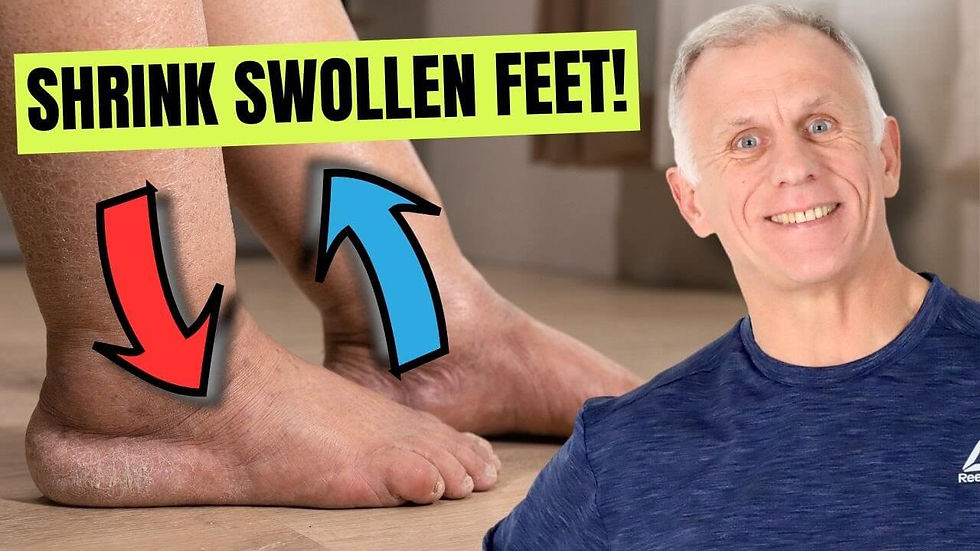
Best Remedies for Swollen Feet
The Bob and Brad team shares three simple ways to help reduce swollen feet and improve circulation at home, including leg elevation with ankle pumps, foot massage, and compression socks.


