


.webp)


%20(1).png)
Bob and Brad
●
PT
Back Pain With Inflammation? How to Lessen.
Bob and Brad discuss how to lessen back pain with inflammation.
Back Pain and Inflammation: A 5-Day Action Plan
If you've got back pain, chances are inflammation is making it worse—and the good news? You can actually do something about it right now.
Bob and Brad break down what inflammation in the back really looks like, and more importantly, how to calm it down in the next five days.
Is It Inflammation? Signs to Watch For
Inflammation shows up in predictable ways. You might notice:
Constant, severe pain or aching that won't quit, even when you're resting. Flare-ups after activity—you know, like when you cut down a tree in your backyard with questionable body mechanics and pay for it all night and the next day. Sleep disruption when you can't get comfortable lying down (swelling in your back can actually hurt more when you're horizontal). Chronic pain when standing or walking that lasts longer than a few minutes.
Here's the thing: it doesn't matter if your diagnosis is sciatica, spinal stenosis, or spondylolisthesis. Inflammation is gonna make it worse. So your first move? Reduce the inflammation.
Your 5-Day Inflammation Action Plan
1. Walk (But Smart)
Walking helps reduce swelling. If it's too flared up right now and walking makes it worse, we'll help you settle it down first. Once you can tolerate it, aim for gradual movement—it's one of your best tools.
2. Use a Back Corset When You Need It
A quality back brace or corset can make a real difference, especially if it lets you walk when you otherwise can't. Look for one with Velcro or adjustable straps so you can tighten it when you need extra support during activity, then loosen it when you're resting.
Important: Don't wear it all the time. Wear it only when you're about to walk, lift, carry, or do something that tends to spike your pain. This prevents the "wearing it all the time" weakness trap.
3. Position + Ice Pack (Your Secret Weapon)
This is Brad's go-to for severe flare-ups, and it works for roughly 90% of people he works with.
Lie down on your back. Use pillows to get comfortable, or better yet, use a wedge. Place an ice pack underneath you in the affected area. Keep it there for 10 minutes.
Do this 2–4 times a day while you're flared up. You can even sneak this in mid-day if you're out doing yard work (yes, Brad admits to breaking his own rules sometimes).
4. Sleep Right (And Consider a Brace at Night)
If flare-ups are waking you up every time you roll over, a back brace at night can help stabilize your spine and reduce those painful transitions. Since you're not working out during sleep, don't worry about weakness—stability is the goal here.
5. Avoid Pain Makers
For now, skip the activities that spike your pain. That snowmobile? Not right now. Shoveling snow? Put it on pause. Riding a lawn mower? Definitely a no for the flare-up phase.
Once your back calms down and pain reduces, you can gradually reintroduce these activities with good judgment.
The Bottom Line
Inflammation is manageable. Whether your diagnosis is sciatica or something else, the first step is always the same: calm down the swelling. Give yourself five days with this plan—walking, positioning with ice, proper bracing, sleep support, and pain-maker avoidance.
Your back will thank you.
Have questions about your specific back pain? Talk to a physical therapist or healthcare provider. Everyone's situation is different, and professional guidance matters.
%20(1).png)
%20(1).png)
%20(1).png)


Strong Like Blog

This Might Be the Cure for Migraine & Eye Fatigue
Discover how the Bob and Brad OcuSpa 3 Eye Massager combines soothing heat, cooling, and gentle massage to help ease eye strain, relieve tension, and promote relaxation for better sleep.
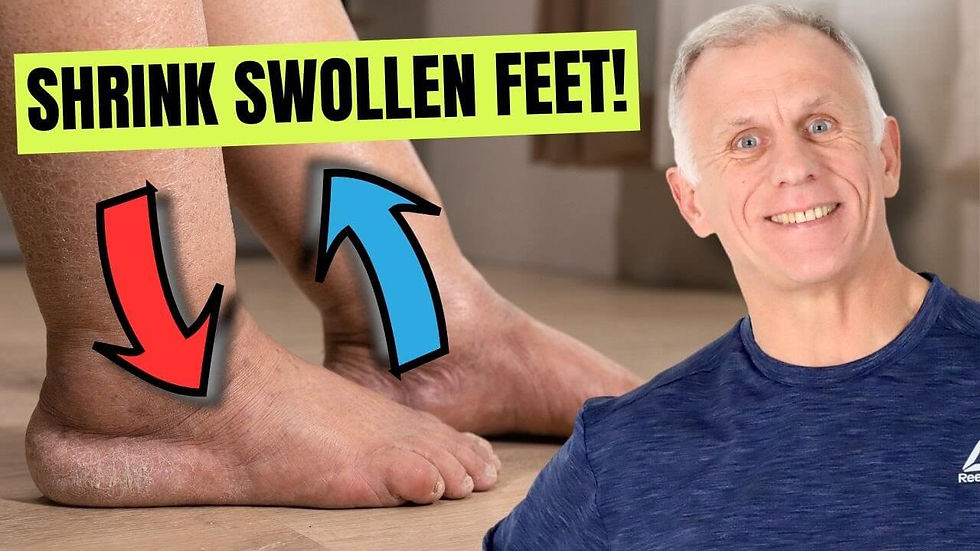
Best Remedies for Swollen Feet
The Bob and Brad team shares three simple ways to help reduce swollen feet and improve circulation at home, including leg elevation with ankle pumps, foot massage, and compression socks.


