top of page

Join our SMS & Email List - VIP Deals Start Here - Join our SMS & Email List - VIP Deals Start Here - Join our SMS & Email List - VIP Deals Start Here - Join our SMS & Email List - VIP Deals Start Here - Join our SMS & Email List - VIP Deals Start Here - Join our SMS & Email List - VIP Deals Start Here - Join our SMS & Email List - VIP Deals Start Here - Join our SMS & Email List - VIP Deals Start Here - Join our SMS & Email List - VIP Deals Start Here - Join our SMS & Email List - VIP Deals Start Here - Join our SMS & Email List - VIP Deals Start Here - Join our SMS & Email List - VIP Deals Start Here - Join our SMS & Email List - VIP Deals Start Here - Join our SMS & Email List - VIP Deals Start Here - Join our SMS & Email List - VIP Deals Start Here - Join our SMS & Email List - VIP Deals Start Here - Join our SMS & Email List - VIP Deals Start Here - Join our SMS & Email List - VIP Deals Start Here - Join our SMS & Email List - VIP Deals Start Here - Join our SMS & Email List - VIP Deals Start Here - Join our SMS & Email List - VIP Deals Start Here - Join our SMS & Email List - VIP Deals Start Here - Join our SMS & Email List - VIP Deals Start Here - Join our SMS & Email List - VIP Deals Start Here - Join our SMS & Email List - VIP Deals Start Here - Join our SMS & Email List - VIP Deals Start Here - Join our SMS & Email List - VIP Deals Start Here - Join our SMS & Email List - VIP Deals Start Here - Join our SMS & Email List - VIP Deals Start Here - Join our SMS & Email List - VIP Deals Start Here - Join our SMS & Email List - VIP Deals Start Here - Join our SMS & Email List - VIP Deals Start Here - Join our SMS & Email List - VIP Deals Start Here - Join our SMS & Email List - VIP Deals Start Here - Join our SMS & Email List - VIP Deals Start Here - Join our SMS & Email List - VIP Deals Start Here - Join our SMS & Email List - VIP Deals Start Here - Join our SMS & Email List - VIP Deals Start Here - Join our SMS & Email List - VIP Deals Start Here - Join our SMS & Email List - VIP Deals Start Here - Join our SMS & Email List - VIP Deals Start Here - Join our SMS & Email List - VIP Deals Start Here - Join our SMS & Email List - VIP Deals Start Here - Join our SMS & Email List - VIP Deals Start Here - Join our SMS & Email List - VIP Deals Start Here - Join our SMS & Email List - VIP Deals Start Here - Join our SMS & Email List - VIP Deals Start Here - Join our SMS & Email List - VIP Deals Start Here - Join our SMS & Email List - VIP Deals Start Here - Join our SMS & Email List - VIP Deals Start Here

How to Fix Iliotibial Band Syndrome for Good

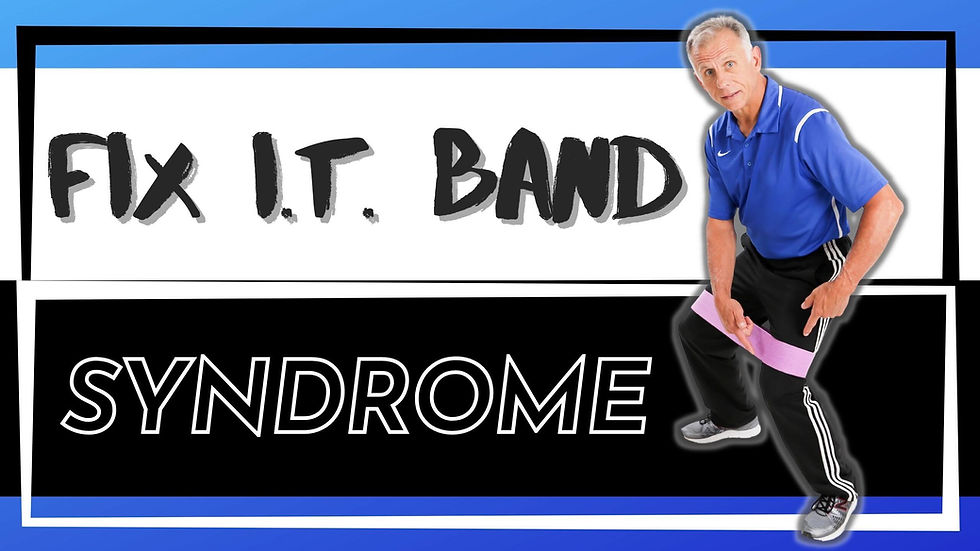
Bob and Brad discuss how to treat IT band, or iliotibial band, syndrome for good. They describe the location and function of the IT band and demonstrate the best way to treat iliotibial band syndrome at home, including strengthening exercises for the glute medius and glute maximus.

How to Fix Iliotibial Band Syndrome for Good
Published On 

Aug 8, 2025

Time To Read

2

Share on Socials

Pain on the outside of your knee is often Iliotibial band syndrome. Iliotibial band syndrome (ITBS) is one of the most common knee injuries. It is caused by friction between the iliotibial band (band on side of hip) and the lateral epicondyle of the femur (bony bump on the outside of the knee). The pain is most intense when the knee is at 30 degrees of flexion.

(Lateral Epicondyle of Femur)

The syndrome often appears with endurance sports such as cycling and long-distance running or hiking. Weight training with heavy weights may also bring on the pain.


The thought process used to be that the IT band had tightened up, causing increased friction at the knee. However, the more common belief now is that weakness in the Gluteus Medius and Maximus results in the leg internally rotating, causing the knee to draw inward. This deviation overworks the IT band, causing pain.

(Gluteus Medius)
(Gluteus Medius)

The two primary muscles that attach to the iliotibial band are the Tensor Fascia Lata and the Gluteus Maximus. However, other muscles also have attachments to it, including the Gluteus Medius. So, our goal is to strengthen the Gluteus Medius and Maximus and restore the proper biomechanics.

(Tensor Fascia Lata)

In addition, we recommend mobilizing the Tensor Fascia Lata muscle. You cannot stretch the Iliotibial band. It is too thick (you could tow a car with it). However, by foam rolling the IT band, you may be breaking up adhesions that lie underneath.


Suggested Strengthening:


1. Strengthening of the Gluteus Medius

a. Lie on your side, painful leg side up

b. Stack your legs with the knees straight

c. Abduct the leg while having the hip slightly extended

2. Abduction with bands


3. Squats with bands


4. Clam shells


5. Bridging with band


6. Side stepping with bands.


7. Massage/Mobilize Tensor Fascia Lata.

Suggested standing stretch:


While standing, cross nonpainful leg over painful leg. Have your arm on the painful side lean against a stable object and begin to lower your painful hip to the floor. You should feel the stretch on the painful hip side.


Check out the full Knee Pain Relief Program series of videos, along with downloadable guide sheets, here: https://www.bobandbrad.com/health-programs/knee-pain-relief-program


More Resources

Neck Stretches

Walk Easier Pain Free—Try This First!

Upper Trap Pain: Try These 3 Self-Treatments!

Popular Tags

Bob and Brad

at home exercises

Physical Therapy

back pain

Shoulder pain

Decrease pain

back pain relief

Knee health

Pain management

Neck pain

Massage gun

Stretching

Bob and Brad Recommend

Bob and Brad C2 Pro Massage Gun with Heat and Cold Therapy

$129.99

Aug 8, 2025
2 min read

Pain on the outside of your knee is often Iliotibial band syndrome. Iliotibial band syndrome (ITBS) is one of the most common knee injuries. It is caused by friction between the iliotibial band (band on side of hip) and the lateral epicondyle of the femur (bony bump on the outside of the knee). The pain is most intense when the knee is at 30 degrees of flexion.

(Lateral Epicondyle of Femur)

The syndrome often appears with endurance sports such as cycling and long-distance running or hiking. Weight training with heavy weights may also bring on the pain.


The thought process used to be that the IT band had tightened up, causing increased friction at the knee. However, the more common belief now is that weakness in the Gluteus Medius and Maximus results in the leg internally rotating, causing the knee to draw inward. This deviation overworks the IT band, causing pain.

(Gluteus Medius)
(Gluteus Medius)

The two primary muscles that attach to the iliotibial band are the Tensor Fascia Lata and the Gluteus Maximus. However, other muscles also have attachments to it, including the Gluteus Medius. So, our goal is to strengthen the Gluteus Medius and Maximus and restore the proper biomechanics.

(Tensor Fascia Lata)

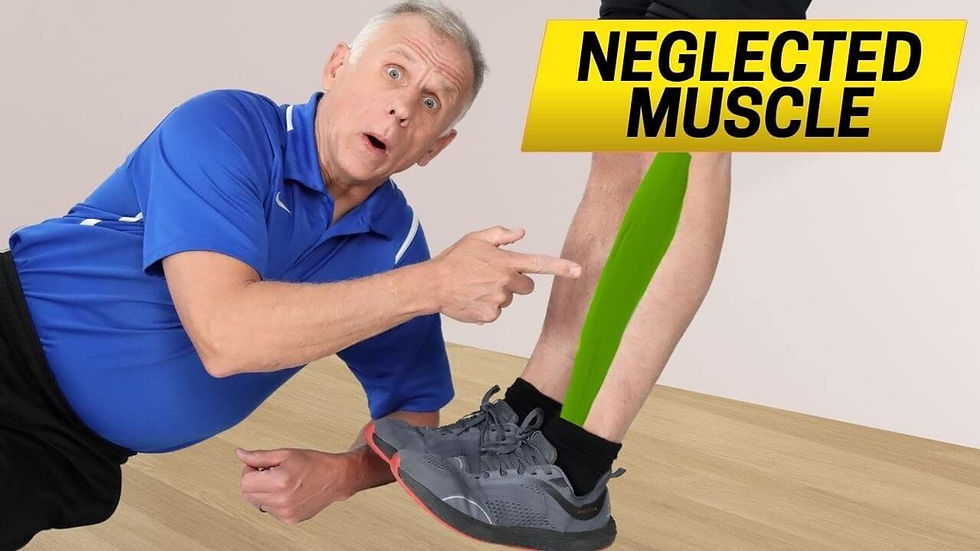
In addition, we recommend mobilizing the Tensor Fascia Lata muscle. You cannot stretch the Iliotibial band. It is too thick (you could tow a car with it). However, by foam rolling the IT band, you may be breaking up adhesions that lie underneath.


Suggested Strengthening:


1. Strengthening of the Gluteus Medius

a. Lie on your side, painful leg side up

b. Stack your legs with the knees straight

c. Abduct the leg while having the hip slightly extended

2. Abduction with bands


3. Squats with bands


4. Clam shells


5. Bridging with band


6. Side stepping with bands.


7. Massage/Mobilize Tensor Fascia Lata.

Suggested standing stretch:


While standing, cross nonpainful leg over painful leg. Have your arm on the painful side lean against a stable object and begin to lower your painful hip to the floor. You should feel the stretch on the painful hip side.


Check out the full Knee Pain Relief Program series of videos, along with downloadable guide sheets, here: https://www.bobandbrad.com/health-programs/knee-pain-relief-program


Strong Like Blog

Placeholder White-min.jpg
Neck Stretches

Bob and Brad walk through a series of progressive neck exercises to help relieve neck pain.

Placeholder White-min.jpg
Walk Easier Pain Free—Try This First!

Strengthen your ankles, improve balance, and prepare for pain-free walking with two simple exercises and a safe approach to gradually increasing your walking routine.

Placeholder White-min.jpg
Upper Trap Pain: Try These 3 Self-Treatments!

This blog shares three simple self-treatment strategies to help relieve upper trapezius and shoulder pain by improving shoulder blade positioning, stretching tight muscles, and providing better arm support while sitting.

bottom of page