top of page

Add paragraph text. Click “Edit Text” to update the font, size and more. To change and reuse text themes, go to Site Styles.

Published On 
Time To Read
Share on Socials

Sep 19, 2025

2

More Resources

Stop Knee Pain Now! 5 Exercises For Your Knees

What is Causing Your Knee Pain? Iliotibial Band Syndrome? How to Tell

Strengthening Exercises to Help Stop Kneecap Pain (Patellofemoral Pain Syndrome)

Popular Tags

Knee pain

knock kneed

genu valgus

Bob and Brad Recommend

Bob and Brad C2 Pro Massage Gun with Heat and Cold Therapy

$109.99


(Genu Valgus)


When we are talking about knock knees, we consider three circumstances:


1. Those who present with knock knees (valgus angle) when squatting (i.e., lifting weights or in athletic sport-volleyball, basketball, etc.)


2. Those who present with knock knees all the time due to tight muscles, weak muscles, or habit.


3. Those who present with knock knees all the time due to structural or bony abnormalities, arthritis. We cannot change this type of knock knees.


Frequently that what is occurring at a knee is being affected by the hip or foot/ankle. You need to look upstream and downstream.


Knock Knees with Squatting


Let us start with the knock knees that occur only with squatting. The external rotators of the hip may be weak causing internal rotation of femur and valgus (knock knees) at the knee. The hip internal rotators may also be tight.


The quadriceps may also be weak, so as you squat down the knees go in to try and get other muscles to help with the squat. Other muscles may include the hip adductors which pull the knees in toward each other. The outside calf muscles may also get tight from a flat foot or feet, or if knees are frequently knock kneed.


Some solutions:


1. Strengthen the quads by squatting narrow based so hip adductors do not kick in. Ball on the wall works great.


2. Figure 4 stretch in the seated position – at same time apply inversion stretch to foot- sole up to ceiling (stretches outer calf).


3. Clam Shells – progress to band. Long sit with knee bent- take into external rotation from adducted position.


Knock knees all the time (tight or weak muscles, habit)


The external rotators of the hip may be weak causing internal rotation of femur and valgus (knock knees) at the knee. The hip internal rotators may also be tight. The outside calf muscles may also get tight from a flat foot or feet, or if knees are frequently knock kneed.


Some solutions:


Hints:

1. Do not stand with knees hyperextended.

(Normal Knee) (Hyper-Extended Knee)


2. Figure 4 stretch in the seated position – at same time apply inversion stretch to foot- sole up to ceiling (stretches outer calf).


3. Clam Shells – progress to band. Long sit with knee bent - take into external rotation from adducted position.


4. Foam roll or use ball on outside calf muscles. Or use massage gun.


5. Do not let sole of shoes wear out - especially flat-footed - they will promote knock knees.

(Knocked Knees)


6. Try Sumo squats. Sumo squats will move your knees outward.

(Sumo Squat)


Check out the full Knee Pain Relief Program series of videos, along with downloadable guide sheets, here: https://www.bobandbrad.com/health-programs/knee-pain-relief-program

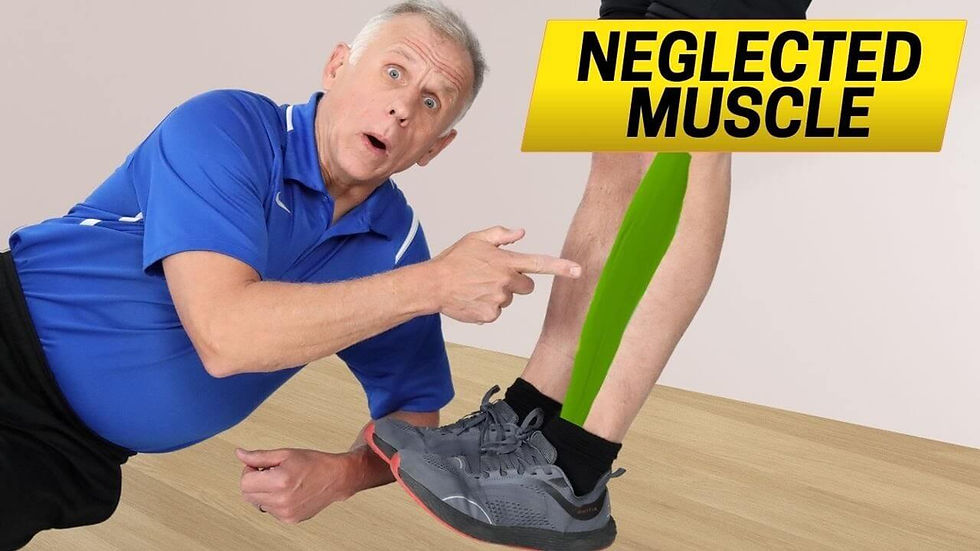


Bob and Brad discuss the causes of knock knees or venu valgus. For those who are knock-kneed not due to a structural or bony abnormality, Bob and Brad provide exercises to strengthen and stretch the legs to decrease knock knees.

What Could Be Causing Your Knock Knees (Adults)? How to Fix.

What Could Be Causing Your Knock Knees (Adults)? How to Fix.

What Could Be Causing Your Knock Knees (Adults)? How to Fix.


(Genu Valgus)


When we are talking about knock knees, we consider three circumstances:


1. Those who present with knock knees (valgus angle) when squatting (i.e., lifting weights or in athletic sport-volleyball, basketball, etc.)


2. Those who present with knock knees all the time due to tight muscles, weak muscles, or habit.


3. Those who present with knock knees all the time due to structural or bony abnormalities, arthritis. We cannot change this type of knock knees.


Frequently that what is occurring at a knee is being affected by the hip or foot/ankle. You need to look upstream and downstream.


Knock Knees with Squatting


Let us start with the knock knees that occur only with squatting. The external rotators of the hip may be weak causing internal rotation of femur and valgus (knock knees) at the knee. The hip internal rotators may also be tight.


The quadriceps may also be weak, so as you squat down the knees go in to try and get other muscles to help with the squat. Other muscles may include the hip adductors which pull the knees in toward each other. The outside calf muscles may also get tight from a flat foot or feet, or if knees are frequently knock kneed.


Some solutions:


1. Strengthen the quads by squatting narrow based so hip adductors do not kick in. Ball on the wall works great.


2. Figure 4 stretch in the seated position – at same time apply inversion stretch to foot- sole up to ceiling (stretches outer calf).


3. Clam Shells – progress to band. Long sit with knee bent- take into external rotation from adducted position.


Knock knees all the time (tight or weak muscles, habit)


The external rotators of the hip may be weak causing internal rotation of femur and valgus (knock knees) at the knee. The hip internal rotators may also be tight. The outside calf muscles may also get tight from a flat foot or feet, or if knees are frequently knock kneed.


Some solutions:


Hints:

1. Do not stand with knees hyperextended.

(Normal Knee) (Hyper-Extended Knee)


2. Figure 4 stretch in the seated position – at same time apply inversion stretch to foot- sole up to ceiling (stretches outer calf).


3. Clam Shells – progress to band. Long sit with knee bent - take into external rotation from adducted position.


4. Foam roll or use ball on outside calf muscles. Or use massage gun.


5. Do not let sole of shoes wear out - especially flat-footed - they will promote knock knees.

(Knocked Knees)


6. Try Sumo squats. Sumo squats will move your knees outward.

(Sumo Squat)


Check out the full Knee Pain Relief Program series of videos, along with downloadable guide sheets, here: https://www.bobandbrad.com/health-programs/knee-pain-relief-program


Comments


bottom of page